Bollards for Traffic Management, Safety, and Access Control
Quick Overview
Bollards are vertical safety posts used to protect buildings, control vehicle access, and improve pedestrian safety in commercial and industrial environments.
Key uses:
- vehicle impact protection
- access control
- pedestrian safety
Bollards are essential safety barriers used to control vehicle movement, protect buildings, and improve pedestrian safety in commercial and industrial environments. Installed in locations such as warehouses, car parks, loading zones and public walkways, safety bollards act as a physical barrier that prevents vehicles from entering restricted areas or damaging infrastructure.
At eSafety Supplies, we supply a wide range of commercial-grade bollards designed for Australian conditions. Our range includes surface-mounted bollards, in-ground bollards, removable bollards and flexible traffic bollards used across warehouses, construction sites, retail centres and public facilities.
Businesses across Australia rely on bollards to improve site safety, control vehicle access and protect assets. Whether you need impact protection for warehouse doors or access control for car parks, the right bollard solution can significantly reduce safety risks.
Why Businesses Install Bollards
• Protect buildings, roller doors and equipment from vehicle impact
• Prevent vehicles from entering pedestrian zones
• Control traffic movement in car parks and warehouses
• Improve workplace safety around machinery and loading areas
• Protect infrastructure such as pipelines, electrical equipment and storefronts
Bollards are commonly installed by warehouse managers, property managers, construction contractors, councils, government facilities and retail centres.
Types of Bollards
Different types of bollards are designed to address different safety requirements. Choosing the correct type depends on the level of vehicle impact protection needed, the installation surface, and whether vehicle access must remain flexible.
Surface Mounted Bollards
Surface-mounted bollards are fixed directly onto existing concrete using heavy-duty anchor bolts. This installation method allows quick deployment without the need for major ground works. They are commonly used for protecting warehouse roller doors, separating pedestrian walkways, protecting racking and machinery, and securing retail storefronts.
In-Ground Bollards
In-ground bollards are embedded into concrete footings below the surface and offer the highest level of impact resistance. These bollards are typically installed in building entrances, high-risk vehicle areas, loading docks, and industrial facilities where strong vehicle protection is required.
Removable Bollards
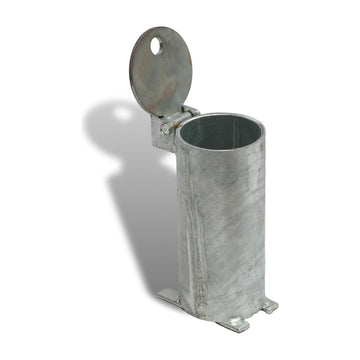
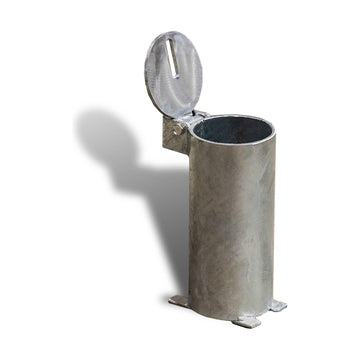
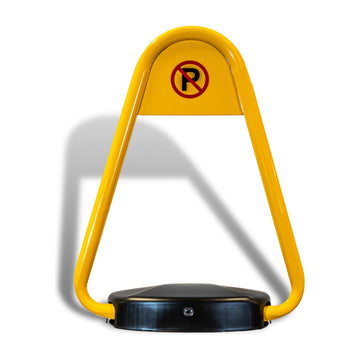
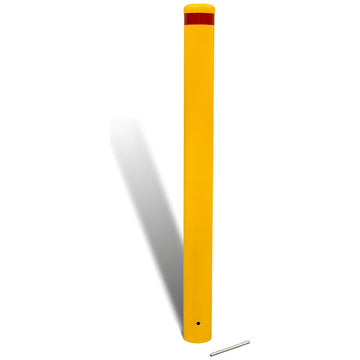
Removable bollards allow temporary vehicle access when required. Installed into a ground sleeve, they can be unlocked and removed to allow entry. They are commonly used in service lanes, emergency access points, shared driveways and restricted parking areas.
Flexible Bollards
Flexible bollards are designed to guide traffic rather than stop vehicles. Made from impact-resistant materials such as polyurethane, they bend on impact and return to their original position. They are commonly used in car parks, traffic lanes, bike lanes and pedestrian separation areas.
Bollards Comparison
Selecting the correct bollard depends on several factors including the level of vehicle impact protection required and how the bollard will be installed.
<table border="1" cellspacing="0" cellpadding="10" style="border-collapse: collapse; width: 100%;"> Bollard Type
Installation Method
Impact Resistance
Access Flexibility
In-Ground
Embedded into concrete footing
Very High
Fixed
Surface Mounted
Bolted onto existing concrete
Medium
Fixed
Fold Down
Hinged base plate with locking mechanism
Low
High
Removable
Installed with ground sleeve
Medium
High
Flexible
Surface fixed, impact-absorbing material
Low
High
</table>
How to Choose the Right Bollard
Choosing the right bollard depends on your site conditions, level of risk, and operational requirements.
If your priority is impact protection:
Choose in-ground bollards for maximum strength.
If you need flexible access control:
Use fold down or removable bollards.
If installation needs to be quick and simple:
Surface-mounted bollards are often the most practical option.
Bollards are most effective when selected as part of a broader safety system rather than as standalone products.
Planning Your Bollard Setup?
Once you’ve identified your site requirements, the next step is selecting the right combination of bollards and safety equipment.
Explore our range above to find solutions suited to your site.
Common Applications for Bollards
Commercial Properties
• Car parks
• Loading docks
• Storefront protection
Warehouses and Industrial Sites
• Forklift safety zones
• Roller door protection
• Machinery protection
Public Spaces
• Pedestrian walkways
• Parks and recreational areas
• Council facilities
Construction Sites
• Temporary traffic control
• Restricted vehicle access
Workplace Safety Standards in Australia
Bollards used in commercial environments may need to align with:
- AS/NZS 3845 – impact performance
- AS 1428 – accessibility and spacing
Proper placement and installation help ensure both safety and compliance.
Installation and Maintenance
Surface-mounted bollards are typically fixed using anchor bolts onto existing concrete surfaces. In-ground bollards require core drilling and installation into concrete footings for stronger impact resistance.
Most commercial bollards require minimal maintenance once installed, particularly those manufactured from galvanised steel or powder-coated materials designed to withstand harsh outdoor environments.
Bollards for Australian Businesses
eSafety supplies safety bollards to businesses across Australia including Sydney, Melbourne, Brisbane, Perth and Adelaide.
Our safety equipment is widely used by contractors, warehouse operators, property managers and councils to improve site safety and protect infrastructure.
Frequently Asked Questions About Bollards
What are bollards used for?
Bollards are vertical safety posts designed to control vehicle movement, protect infrastructure and improve pedestrian safety. They are commonly installed in car parks, warehouses, loading docks and building entrances to prevent vehicles from entering restricted areas or colliding with structures.
What is the difference between surface-mounted and in-ground bollards?
Surface-mounted bollards are bolted directly onto concrete surfaces and are easier to install. In-ground bollards are embedded into concrete footings and provide significantly stronger resistance to vehicle impact. Businesses typically choose in-ground bollards for higher-risk areas such as loading zones and building entrances.
Can bollards stop a vehicle?
Heavy-duty steel bollards installed in concrete can resist or stop vehicle impact depending on their design and installation depth. These bollards are commonly used to protect buildings, machinery and storefronts from accidental vehicle collisions.
What are flexible bollards used for?
Flexible bollards are primarily used for traffic guidance rather than impact protection. They help organise vehicle movement in car parks, separate traffic lanes and guide pedestrians safely through busy areas.
What is the recommended spacing between bollards?
Spacing depends on the intended purpose of the bollards. In pedestrian areas, bollards are typically spaced to allow wheelchair access while preventing vehicles from entering restricted zones. Accessibility guidelines such as AS 1428 recommend maintaining sufficient clearance for pedestrian pathways.
What is the strongest type of bollard?
In-ground bollards provide the highest level of strength and impact resistance.
Where should bollards be installed?
They are typically installed in high-risk areas such as entrances, loading zones, and pedestrian pathways.
What is the difference between bollards and safety barriers?
Bollards provide point protection, while barriers protect larger areas such as racking and machinery.
Are bollards required by law in Australia?
Not always, but they are commonly used to meet safety planning and risk management requirements.
Related Safety Products
Many safety installations combine bollards with other traffic management equipment to improve site safety.
Related product categories:
• Wheel Stops – Prevent vehicles from overextending in parking areas
• Safety Barriers – Protect warehouse racking and machinery
• Convex Mirrors – Improve visibility in blind corners
• Cable Protectors – Protect cables and hoses in vehicle traffic areas
Why Choose eSafety Supplies Bollards
eSafety Supplies provides bollards designed to support real-world safety requirements across Australian workplaces. Our range focuses on durability, visibility, and practical performance in environments where vehicle movement and pedestrian safety must be carefully managed.
We support businesses by offering:
- solutions for impact protection and access control
- products suited to Australian conditions
- options for both permanent and flexible installations
This allows businesses to implement safety measures that are both effective and aligned with their site requirements.
Need Help Choosing the Right Bollard?
Selecting the correct bollard depends on factors such as vehicle traffic levels, installation surface and the level of protection required.
Our team at eSafety Supplies can help you choose the best solution for your site whether you need warehouse impact protection, parking control, pedestrian safety barriers or access control bollards.
Browse the bollard products above or contact our team for assistance selecting the best option for your project.